
Description
Clive Branson’s Fishing Tackle Recommendations – Tackle Boxes & Organizers
Throughout my international match fishing career, I’ve carried an enormous amount of fishing tackle to rivers, canals and lakes, both at home and abroad.
One thing I’ve learned is that being well organised is almost as important as having the right equipment.
When you’re fishing a competition, every minute can count. Searching through a disorganised tackle box for a hook, float or shot can waste valuable time and interrupt your concentration.
Choosing the right tackle box
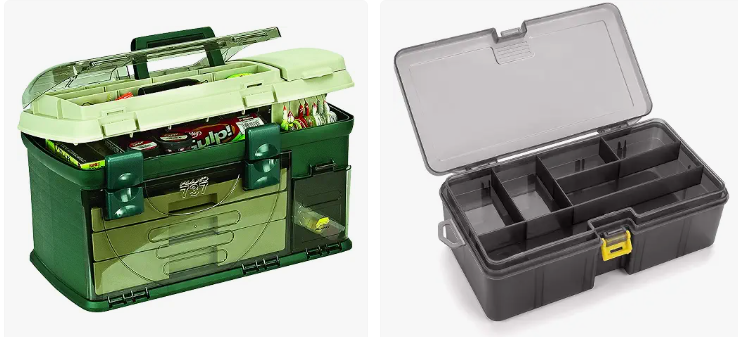
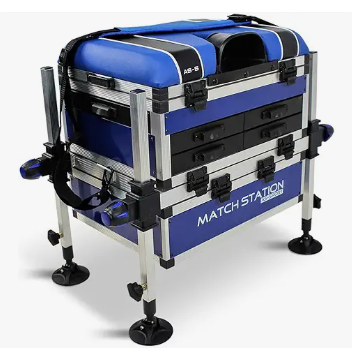
There are many different types of fishing tackle boxes available, from small compartment organisers to large tackle storage systems.
For beginners, I generally recommend starting with a practical, lightweight tackle box with adjustable compartments.
There’s no need to purchase an expensive storage system when you’re first taking up fishing.
As your collection of tackle grows, you can gradually expand your storage arrangements.
Keeping small accessories organised
Some of the smallest items in your tackle box are often the most important.
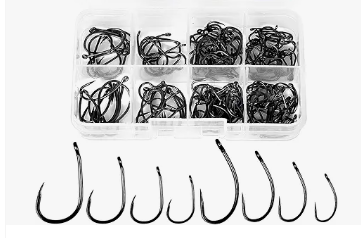
Hooks, swivels, shot, connectors, beads and other small accessories should be stored separately so they can be found quickly.
I particularly favour compartment boxes with secure lids and adjustable dividers.
These allow you to organise your tackle according to the type of fishing you’re doing.
Protecting your fishing floats
Fishing floats are delicate pieces of equipment, particularly fine stick floats and sensitive wagglers.
Over the years, I’ve seen plenty of floats damaged simply because they weren’t stored properly.
I recommend using suitable float tubes, protective cases or dedicated float storage compartments.
A damaged float can affect presentation and ultimately cost you fish.
Organising tackle for different methods
One useful approach is to keep separate organisers for different fishing methods.
For example, you might have one box containing accessories for river float fishing, another for feeder fishing and a third for commercial fisheries.
This makes preparing for a fishing trip much easier.
Instead of sorting through everything you own, you can simply select the tackle appropriate for the venue.
Waterproof and durable storage
Fishing tackle is regularly exposed to rain, mud and damp conditions.
A good organiser should be made from durable materials and have secure catches that won’t accidentally open during transport.
For equipment particularly vulnerable to moisture, I recommend choosing a box with a suitable water-resistant seal.
Remember that not every plastic tackle box is completely waterproof.
Making life easier on the bank
One of the advantages of being organised is that you can concentrate on your fishing rather than searching for equipment.
When fish are feeding confidently, the last thing you want is to waste time looking for a replacement hooklength or another accessory.
Keeping everything in its proper place allows you to respond quickly when fishing conditions change.
My advice
My advice is simple: buy a tackle box that suits the amount of equipment you actually use.
Choose something practical, durable and easy to carry.
Keep your frequently used accessories within easy reach and avoid carrying unnecessary tackle simply because you own it.
Remember, successful fishing isn’t about how much tackle you have. It’s about knowing how and when to use it.
As an Amazon Associate, I earn from qualifying purchases.
Reviews
There are no reviews yet.